5 Things to Consider when Choosing a Rubber Stopper for Drug Development
22/10/25
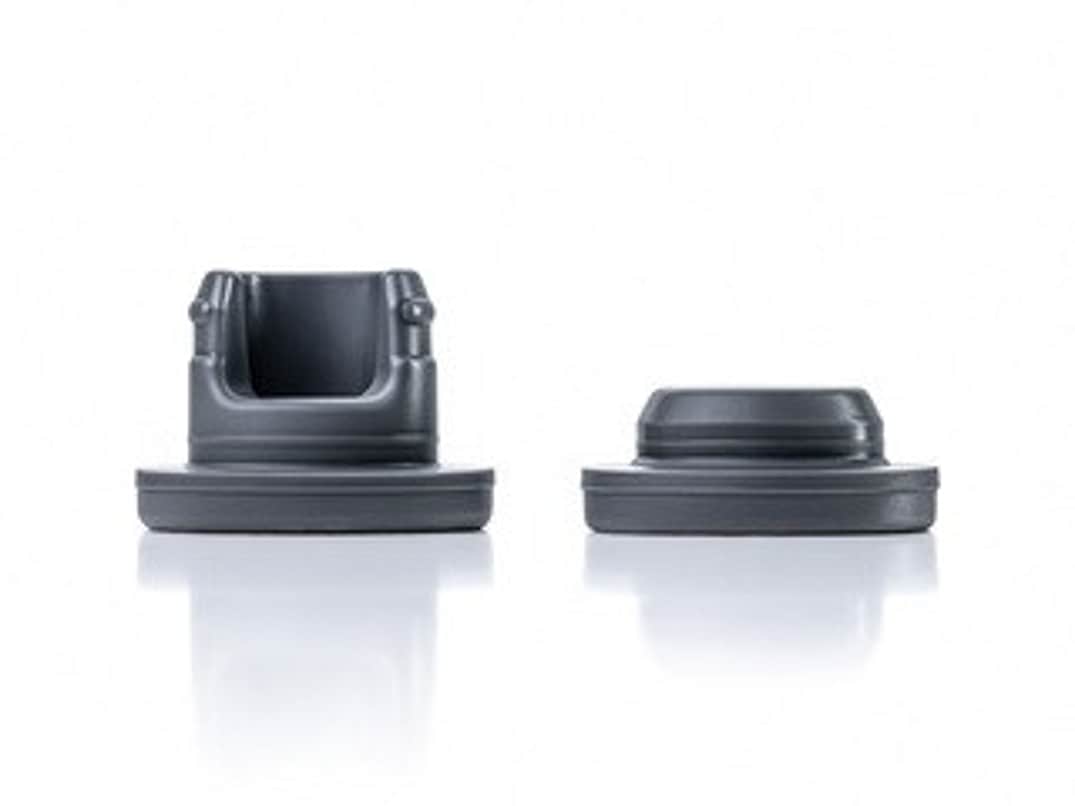
At Adelphi, we advocate for drug development to be carried out in the final drug packaging from day one
Too often development projects fall at the last hurdle due to unforeseen issues relating to drug packaging. If you are carrying out your development work in a container which isn’t suitable for market from a regulatory standpoint, how do you know that it’s going to perform the same when you move it into a market-friendly container? If you have carried out all your stability tests in plastic, how do you know it won’t interact with glass? If you have been using a vial with a plastic screw cap to develop a parenteral formulation, how do you know you’ll have the same results with the Type I glass vial and Rubber Stopper you need to take it to market?
That’s not even mentioning the additional costs incurred and the time lost due to validating different packaging.
It is important to remember that primary packaging is in direct contact with your formulation throughout its shelf life. It is part of the final drug offering. Don’t leave it too late to consider its crucial role in your project.
Below, we have compiled 5 questions you should be asking before settling on a rubber stopper for your development project.
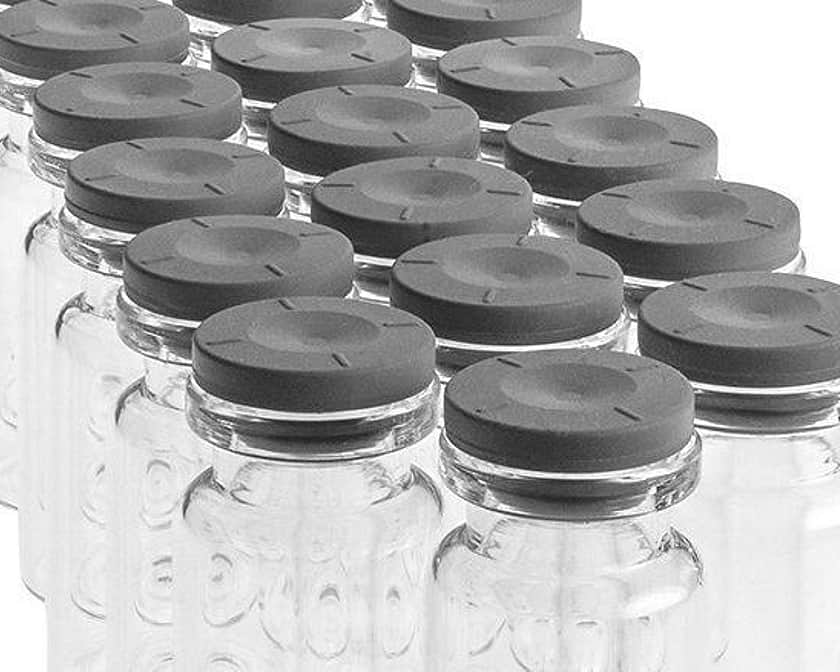
Does it provide good CCI with your chosen vial?
CCI stands for container closure integrity. Ensuring good CCI means the prevention of any air or liquid ingress or egress in order to maintain the sterility of the vial contents. Good CCI is essential for preserving the efficacy of a drug and preventing contamination.
A typical container-closure system for an injectable product consists of a vial and a stopper, held securely in place by an aluminium crimp seal or a push-fit vial cap. It is important to ensure that the stopper and vial are compatible and provide good container closure integrity. Talk to your primary packaging partner and ask if they can provide assurance on compatibility. Remember that the container and closure need to work as a team – you shouldn’t consider one without the other.
If you have already chosen vials and stoppers and are unsure about their compatibility, our primary packaging partners SCHOTT Pharma and West can provide CCI Testing Services.
Does it meet regulatory requirements?
Rubber closures for pharmaceutical use must meet the relevant requirements of the market where you intend to offer your product. The three main global pharmacopoeias are European (EP), Japanese (JP) and United States (UP).
Ask your packaging supplier for an example quality certificate before purchasing stoppers. This should include a statement from the manufacturer outlining that the rubber formulation complies with chemical requirements detailed in:
- Section 3.2.9 of the European Pharmacopoeia
- Chapter 7.03 of the Japanese Pharmacopoeia
- The physicochemical tests described in USP General Chapter 381
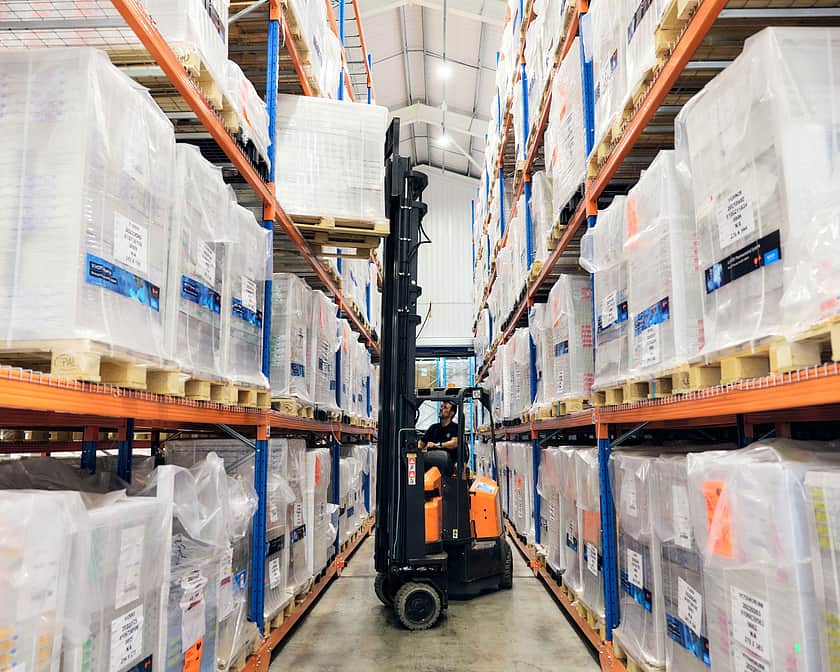
Is it readily available?
A detail which is often overlooked but absolutely crucial is availability. The pharmaceutical primary packaging industry is constantly evolving to meet regulatory updates, as well as challenges brought on by the complex needs of emerging biotech and gene therapies.
If you have picked up a random bag of stoppers from your stores and assumed they will be fine, you may later find they were made from a formulation which is no longer recommended, or even discontinued. It is always advisable to check with your packaging partner that your chosen stoppers are recommended for new projects and will be readily available for the foreseeable future.
View our stock StoppersDoes your formulation need to be freeze-dried in order to remain stable?
Whilst it may be too early to know the answer to this question, it is worth considering whether it’s a possibility. If so, you should know that a specially vented lyo stopper would be required in order to lyophilise within a vial.
Here’s what’s even more important to know. Should your drug product require lyophilisation, it is highly advisable to use a stopper with a hydrophobic and ‘slippery’ barrier film to both sides. This film, or coating, prevents the pre-lyo liquid clinging to the stopper. It also aids machinability and prevents the stopper sticking to the compression plate in the lyo chamber.
The good news? It is possible to get both injection/serum stoppers and lyo stoppers with such a coating, for example West’s FluroTec™ NovaPure® Stoppers.
Will your formulation interact with the rubber of the stopper?
As we mentioned earlier, primary drug packaging remains in direct contact with your drug formulation. That’s why it is critical to the success of your project that you ensure there are no negative interactions between your formulation and the rubber on the stopper.
Annex 9 of the WHO Guidelines on packaging for pharmaceutical products states: “The kind of packaging and the materials used must be chosen in such a way that:
—the packaging itself does not have an adverse effect on the product (e.g. through chemical reactions, leaching of packaging materials or absorption);
—the product does not have an adverse effect on the packaging, changing its properties or affecting its protective function.”
If you find you are having a problem with interaction or you would like to minimise the risk from the outset, we would recommend the use of a rubber stopper featuring a barrier film on the product-contact area. Products such as the West FluroTec® stopper provide an inert barrier between the drug and the rubber of the stopper, mitigating the risk of a reaction.
In Conclusion
We hope the guidance above has provided some clarity on what you should be looking out for when specifying a stopper for your project – and that it also explains why this should be an early consideration in your development journey.
Fortunately, there’s no need for you to be an expert in primary packaging yourself. You just need to know the people who are, and are willing to help!
Our final piece of advice? Find yourself a partner in the pharmaceutical packaging world. A primary packaging company you can turn to with any questions or concerns you might have. Who will provide free advice, documentation, samples and – when you’re ready – the required items from stock.
At Adelphi, we can assist with all these points. With a large stockholding of primary packaging for parenteral products, we can supply you with small quantities while you’re in the development stage of your project, and continue to supply as your demand grows.
If there’s a project we can help you with right now, please don’t hesitate to get in touch. If not, we’ll be here and ready to assist whenever you do need us.