The Rise of RTU Primary Packaging
29/09/26
Introduction
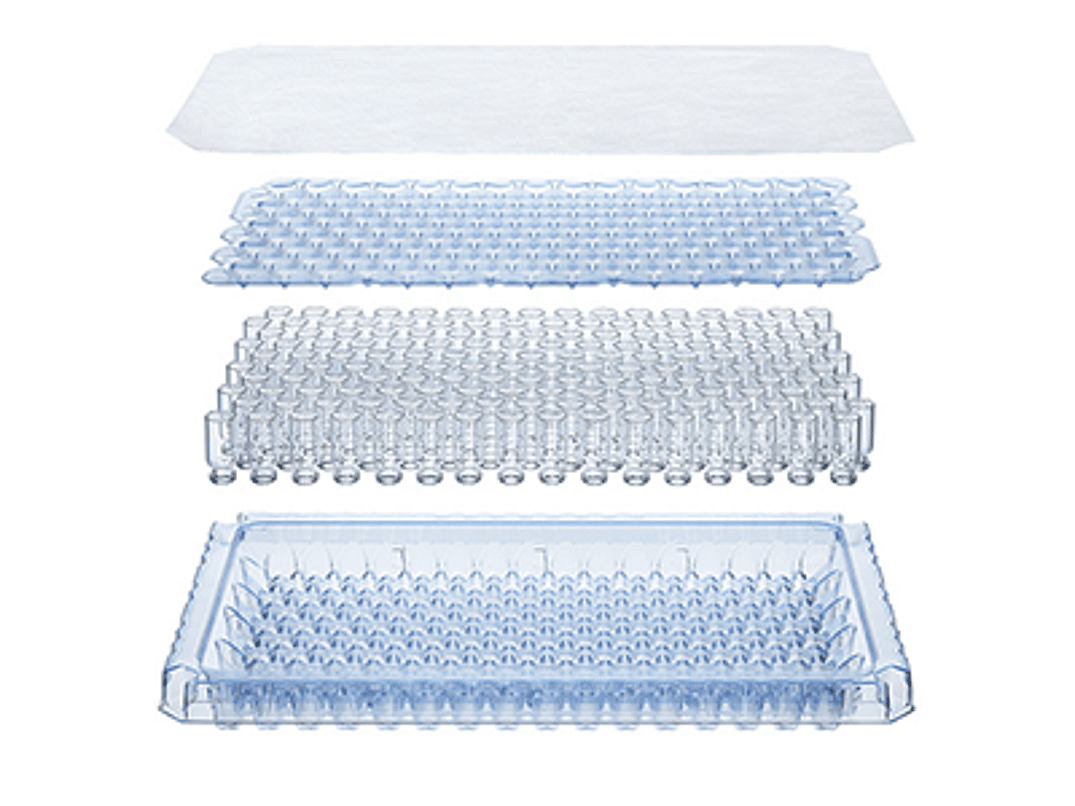
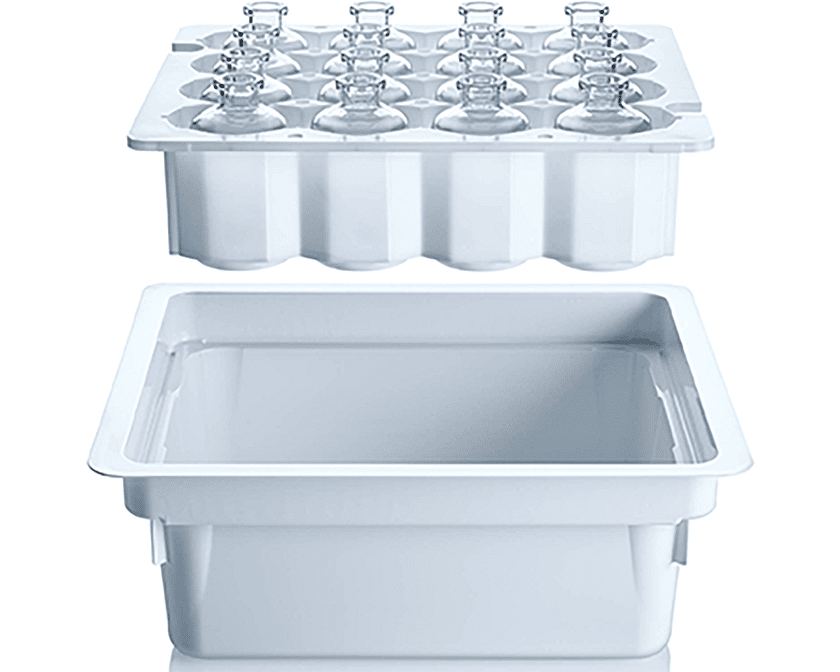
The pharmaceutical industry is experiencing a significant shift towards Ready-to-Use (RTU) primary packaging formats. Once primarily associated with high-value biologics, RTU container and closure systems are increasingly becoming the preferred choice across a wider range of injectable therapies.
Driven by evolving regulatory expectations, the growth of biologics and personalised medicines, increasing demand for at-home drug administration and the need for greater manufacturing efficiency, RTU packaging is rapidly reshaping the pharmaceutical supply chain.
Key Drivers Behind RTU Adoption
Regulatory Expectations and Annex 1
The revised EU GMP Annex 1 places greater emphasis on contamination control strategies and minimising risks associated with aseptic manufacturing.
RTU components support compliance by:
- Reducing processing steps at the fill-finish site
- Minimising human intervention
- Lowering contamination risks
- Supporting automated and closed manufacturing systems
- Simplifying validation requirements
As manufacturers seek to strengthen sterility assurance, RTU formats provide a practical route to reducing operational complexity.
The Growth of GLP-1 Therapies and At-Home Administration
The rapid expansion of GLP-1 therapies has transformed the injectable drug market.
Patients increasingly expect:
This trend extends beyond GLP-1 drugs into:
- Autoimmune treatments
- Oncology therapies
- Rare disease medicines
- Hormonal treatments
As more therapies move from clinics to patients' homes, demand for prefilled syringes and cartridges continues to rise.
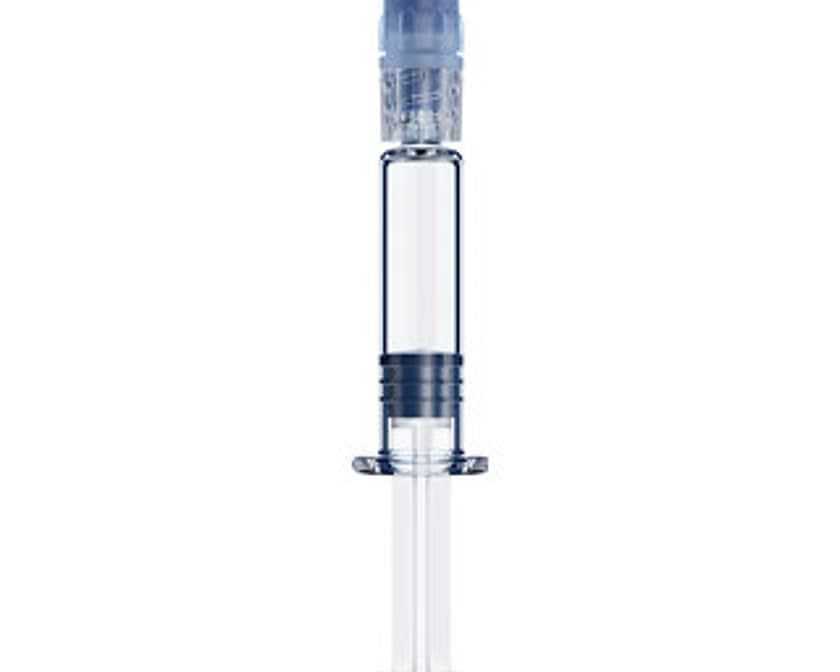
SCHOTT TOPPAC® Polymer Syringes
Growth of Biologics and Advanced Therapies
Biologics represent one of the fastest-growing pharmaceutical sectors.
These products often require:
- High-value drug protection
- Enhanced sterility assurance
- Small batch production
- Complex manufacturing processes
RTU packaging reduces preparation steps and supports the specialised handling requirements often associated with biologics.
Manufacturing Efficiency and Faster Time-to-Market
Drug manufacturers are under increasing pressure to launch products faster, while controlling costs.
RTU packaging can help by:
- Eliminating inhouse washing and depyrogenation processes
- Reducing capital equipment requirements
- Lowering utility consumption
- Simplifying facility design
- Accelerating production start-up
For emerging biopharma companies, RTU formats can significantly reduce investment requirements.
Increased Automation in Fill-Finish Operations
Modern fill-finish facilities are becoming increasingly automated.
RTU packaging supports:
- Robotic handling
- Isolator-based filling
- High-speed production lines
- Reduced operator intervention
As automation becomes the norm, RTU formats become increasingly attractive.
Get in touch
Contact our friendly team to discuss your RTU packaging needs.
Contact Us
Sustainability Considerations
While RTU packaging may involve additional processing by suppliers, it can contribute to sustainability goals by:
- Reducing water consumption
- Lowering energy usage
- Eliminating in-house washing operations
- Optimising manufacturing footprints
The sustainability discussion around RTU packaging is likely to become increasingly important in future procurement decisions.
Flexibility for Clinical and Commercial Manufacturing
RTU packaging is particularly valuable in:
- Clinical trial manufacturing
- Small-batch production
- Personalised medicines
- Product launches with uncertain demand
Manufacturers gain greater flexibility without significant infrastructure investment.
Challenges and Considerations
While RTU adoption continues to grow, manufacturers should also consider:
- Supply chain resilience
- Availability of RTU components
- Shelf life of RTU packaging
- Supplier qualification requirements
- Cost comparisons versus bulk packaging
- Compatibility with specific drug products
Success depends on selecting the right packaging strategy for each product and manufacturing model.
Conclusion
The rise of RTU primary packaging is being driven by a combination of regulatory pressures, evolving patient expectations, growth in biologics and increasing automation across pharmaceutical manufacturing.
As injectable therapies continue to expand and at-home administration becomes more common, RTU formats are likely to play an increasingly central role in delivering safe, efficient and scalable drug products.
Speak to Our Experts
Whether you're sourcing standard components or developing a bespoke pack format, our packaging experts are ready to help.
Make an enquiry