Comparing Drying Options for Sensitive Biologic Projects
21/08/26
Which Drying Method Is Right for Your Formulation?
As biologics continue to play an increasingly important role in modern pharmaceutical development, selecting the right drying and preservation method is critical to maintaining product stability, efficacy, and shelf life.
Lyophilization, commonly known as freeze drying, has become one of the most widely adopted preservation techniques across the pharmaceutical and biotechnology industries. The process removes water from a frozen product under vacuum conditions, allowing ice to transition directly from a solid to a vapor without passing through the liquid phase. This helps preserve sensitive biological materials while significantly extending product stability and storage life.
As pharmaceutical products become more complex and global supply chains continue to expand, manufacturers are increasingly exploring different drying technologies. While traditional freeze drying remains the industry standard for sensitive biologics, alternative approaches such as spray drying and novel formats such as lyobeading may offer advantages depending on the formulation and application.
Why Use Lyophilization?
Lyophilization is particularly beneficial when:
Liquid-state storage is unsuitable
Long-term stability is required
Shelf life needs to be extended
Products must be transported across varying climates
Sensitive biological materials require protection from degradation
Storage conditions are challenging or highly controlled
In this article, we compare freeze drying, spray drying, and lyobeads to help determine which approach may be best suited to your project.
Freeze Drying
Freeze drying is the most established and widely used form of stabilization method for final product presentations within the biopharmaceutical industry. It is used across a broad range of pharmaceutical formulations, vaccines, laboratory reagents, and sensitive biologics.
The process offers precise control of temperature and vacuum conditions, helping to minimize the risk of product collapse and other temperature-related changes that can affect stability and product quality. This careful balance is essential for maintaining efficacy, viability, and long-term performance throughout the drying cycle.
How Freeze Drying Works
The process begins by freezing the formulation, which determines the structure of the ice crystals within the product.
The frozen product is then placed under vacuum conditions, where primary drying occurs. During this stage, unbound water is removed through sublimation, allowing ice to transition directly into vapor.
Secondary drying follows, removing bound water molecules and reducing moisture content to a predetermined level. Additional energy is applied during this stage, with product temperatures typically increasing to between 20°C and 30°C.
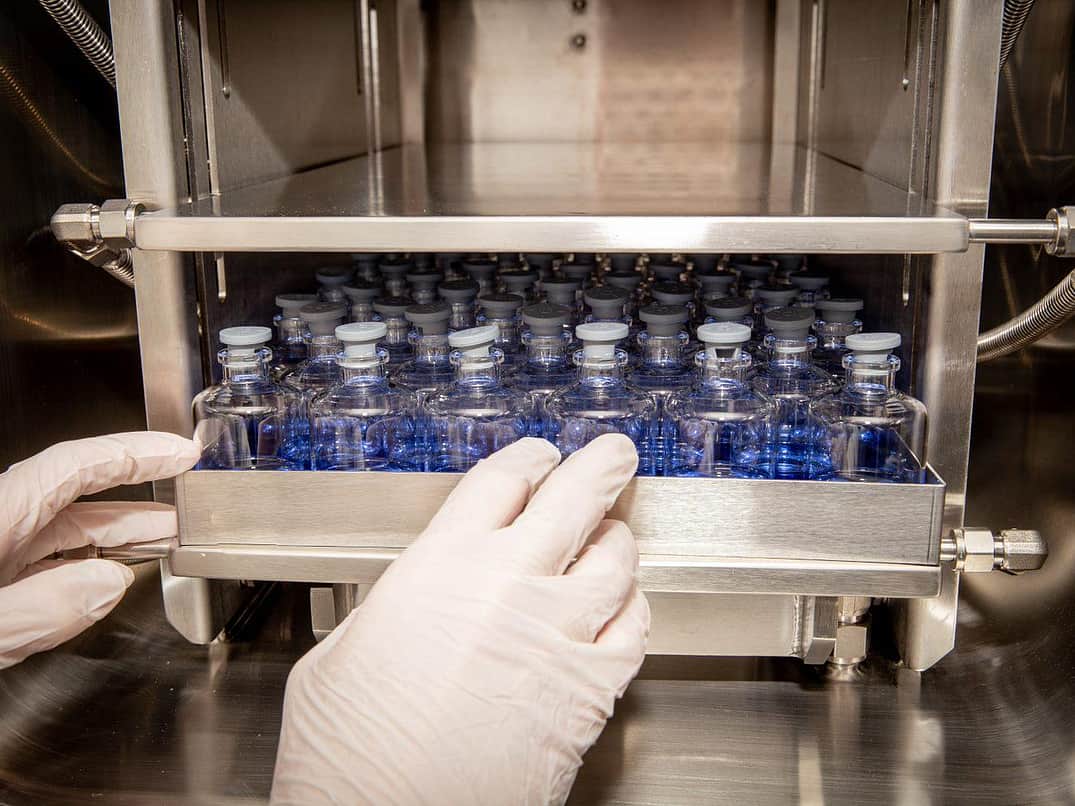
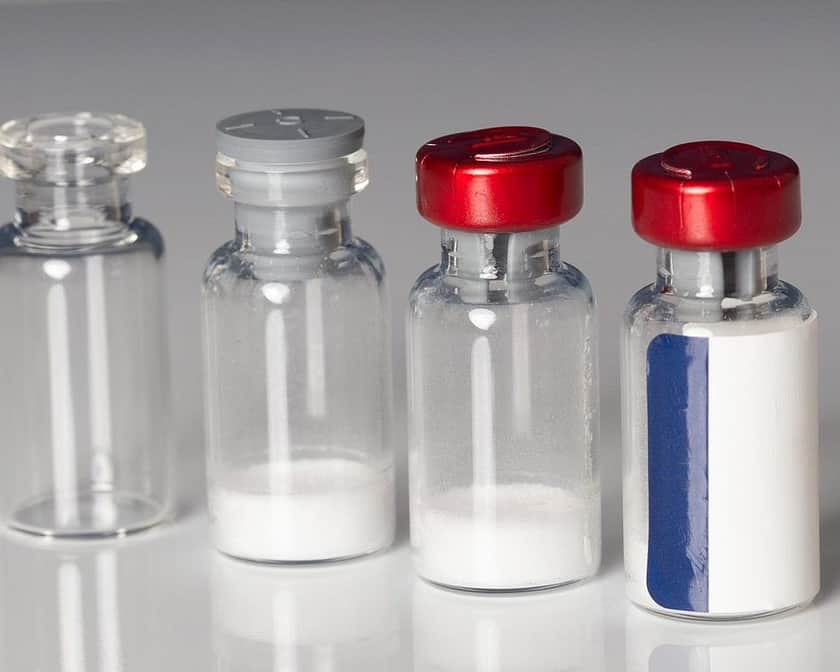
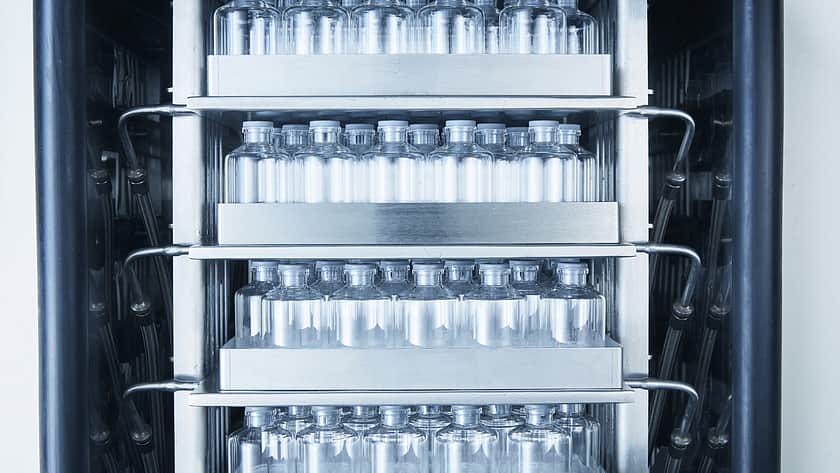
Freeze drying is commonly performed with products already filled into vials or containers, with stoppers often being applied within the freeze dryer itself to help minimize the risk of contamination. The process results in a dry, porous "cake" structure at the bottom of the vial, which can be readily reconstituted prior to use.
Key Benefits
Considerations
Removes the cold chain process, making shipping easier and more cost-effective
Higher processing costs
Nearly no product is lost during this process; important to consider when handling expensive pharmaceutical materials.
Longer cycle times, ranging from several hours to several days
Excellent preservation of sensitive biologics
Batch-based production rather than continuous processing
Maintains product efficacy and viability
Significant equipment and energy requirements
Suitable for vaccines, biologics, laboratory reagents, and injectable products
Reduced contamination risk through in-situ vial sealing
Proven and widely accepted technology
LyoBeads
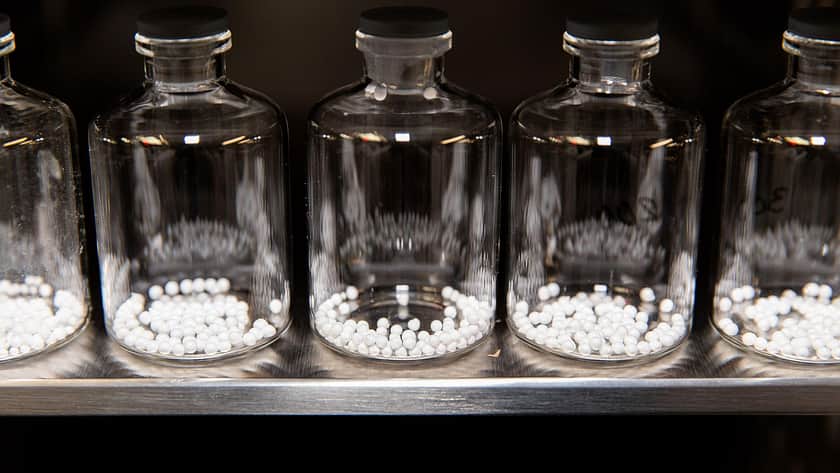
Lyobeads are an advanced freeze-drying technique in which liquid formulations are dispensed into small droplets before undergoing lyophilization.
Unlike conventional freeze drying, which produces a solid cake within a vial, this process creates free-flowing dried beads that are easy to store, transport, and reconstitute. The technology is becoming increasingly popular within the biopharmaceutical and diagnostic sectors due to its ability to provide excellent stability, dose uniformity, and product consistency.
How Lyobeads Works
The formulation is first prepared using carefully selected excipients and stabilizers to protect the product during freezing and drying.
The liquid is then dispensed into controlled droplets, typically onto a cold surface or into a cryogenic liquid such as liquid nitrogen. This rapid freezing process creates uniform beads while preserving biological structure and activity.
The frozen beads then undergo primary drying under vacuum conditions to remove unbound moisture through sublimation. Secondary drying follows to remove residual moisture and achieve the desired moisture content.
The result is a stable, free-flowing lyophilized bead with excellent reconstitution properties and long-term stability.
Key Benefits
Considerations
Excellent stability for sensitive biologics
Specialist equipment may be required
Precise dosing and batch uniformity
More complex process development than traditional freeze drying
Rapid and consistent reconstitution
Not suitable for every formulation
Reduced thermal stress during processing
Suitable for diagnostic kits, cartridges, vials, and multi-dose systems
Highly scalable and automated
Spray Drying
Although spray drying is not a form of lyophilization, it is a widely used drying technology that is often considered alongside freeze drying for pharmaceutical and biopharmaceutical applications.
Spray drying converts liquid formulations into dry powders in a single continuous process. Compared with freeze drying, it offers faster processing times and lower operating costs, making it attractive for large-scale manufacturing.
However, spray drying typically operates at temperatures above 80°C. While this enables rapid moisture removal, it can present challenges for highly sensitive biologics and temperature-sensitive compounds.
Despite this, advances in technology have expanded its use beyond traditional food and bulk pharmaceutical applications to include more complex products such as microencapsulated bacteria, nanoparticles, and specialized drug delivery systems.
How Spray Drying Works
The liquid formulation is atomized into fine droplets and introduced into a heated drying chamber. As the droplets pass through the chamber, moisture rapidly evaporates, leaving behind a dry powder that is collected for further processing. Because drying occurs continuously, production throughput can be significantly higher than traditional freeze drying methods.
Key Benefits
Considerations
Fast processing times
Higher product loss after drying
Continuous manufacturing process
Elevated temperatures may affect sensitive biologics
Lower operating costs
Potential reduction in protein stability
Suitable for large-scale production
Possible loss of biological viability
Efficient powder production
Reduced suitability for highly temperature-sensitive formulations
Which Method Is Best for Your Project?
The most suitable drying method will depend on your formulation's specific requirements. For highly sensitive biologics, freeze drying remains the gold standard, offering excellent stability and efficacy, albeit with longer processing times and higher costs.
Spray drying provides a faster, more cost-effective option for robust formulations and large-scale production.
For applications requiring exceptional stability, precise dosing, and flexible packaging formats, lyobeads are an increasingly attractive alternative. Though the method is still predominantly used in diagnostics and less so in other pharma applications.
Ultimately, factors such as product sensitivity, product value, shelf-life requirements, transportation conditions, and production scale should guide the choice of drying technology.
Selecting the right drying technology is an important consideration in the lyophilization process.
Our partner, BioPharma Group, provides expertise in liquid and lyophilization formulation and process development, capital equipment, and hands-on training supporting customers from development through to commercial production.
Hi-tech vials developed to optimize lyophilization performance.
See product
EVERIC® care Vials
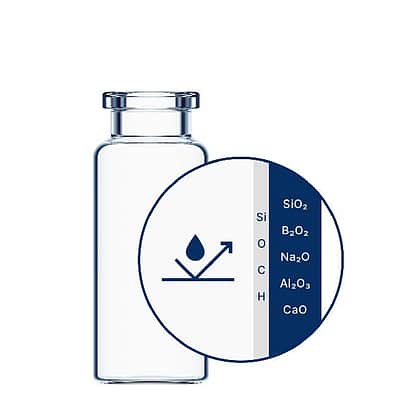
EVERIC® care vials feature a patented hydrophobic coating.
See product
FluroTec® Stoppers
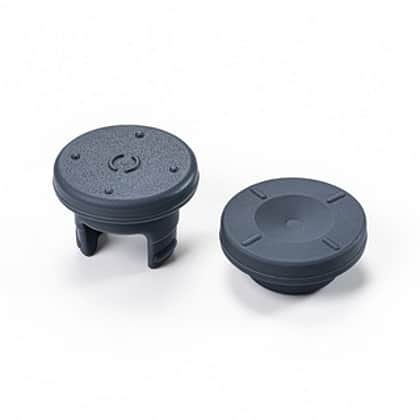
FluroTec® Stoppers with a barrier film provide superior protection for drugs.
See product
Clean Certified Sterilized Crimp Seals
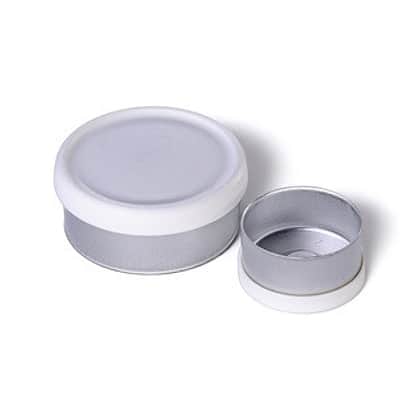
Pre-sterilized aluminum seals designed for aseptic fill-finish operations.
See product
EVERIC® plus vials
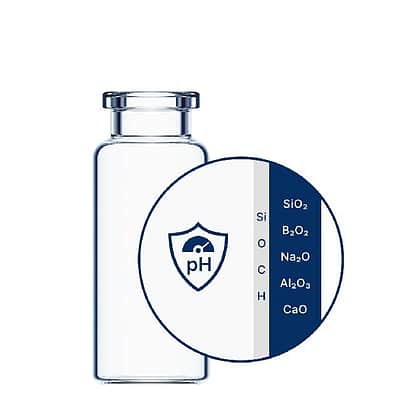
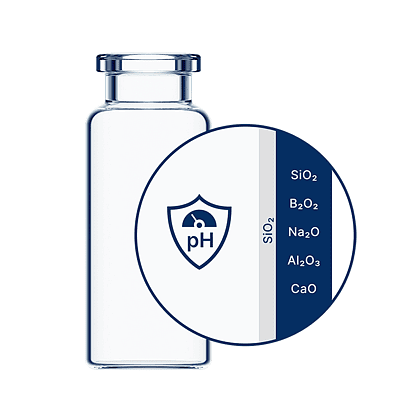
Featuring an SiO2 coating, providing an inert container for sensitive drugs.
See product
Speak to Our Experts
Choosing the right packaging solution is essential to maintaining the stability, quality, and shelf life of sensitive biologics.
Our team works with pharmaceutical and biotechnology companies to provide packaging solutions for freeze-dried products, lyobeads, vaccines, and other sensitive formulations.