5 Things to Consider When Choosing a Glass Vial for Drug Development
25/06/26
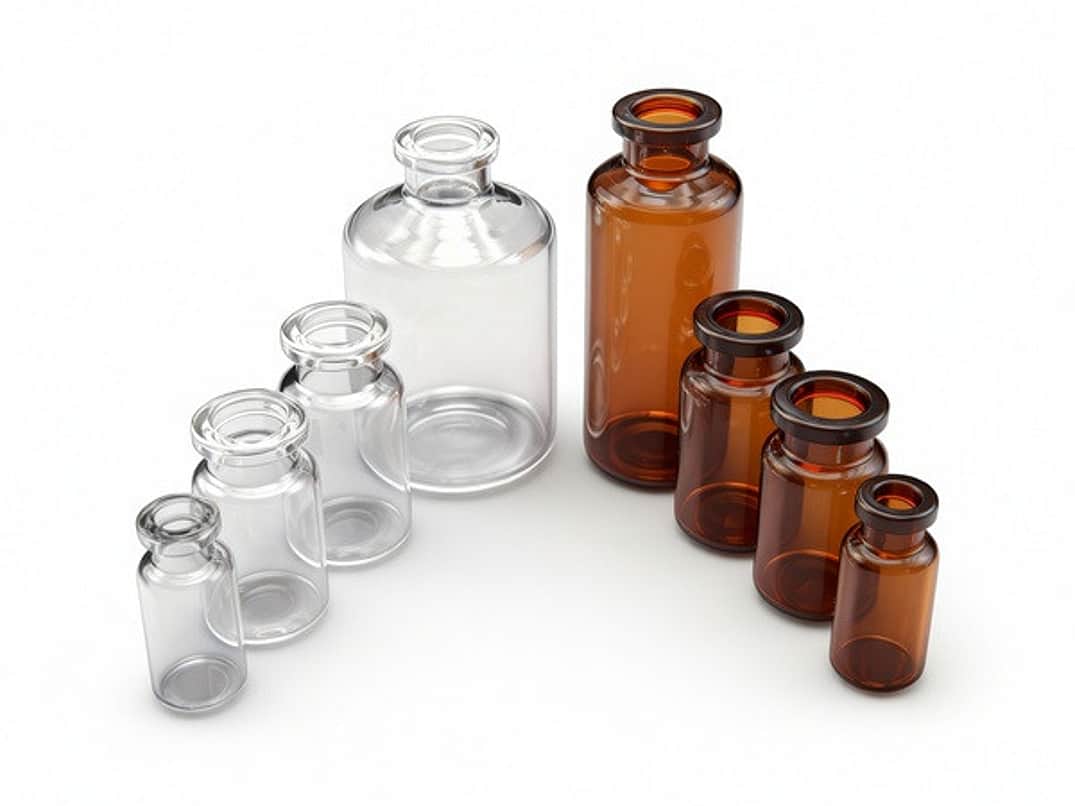
Choosing the right vial from the start
Selecting the right glass vial is one of the earliest packaging decisions you'll make during drug development, yet it is often overlooked until later in the process. Choosing the wrong vial can lead to stability issues, compatibility challenges, supply chain disruptions and the potential of costly redevelopment work.
With injectable therapies, biologics and advanced medicines becoming increasingly complex, it is important to evaluate your packaging requirements as early as possible.
Here are five key considerations when selecting a glass vial for your product:
1. Product Compatibility
One of the most important factors is understanding how your formulation interacts with the vial itself.
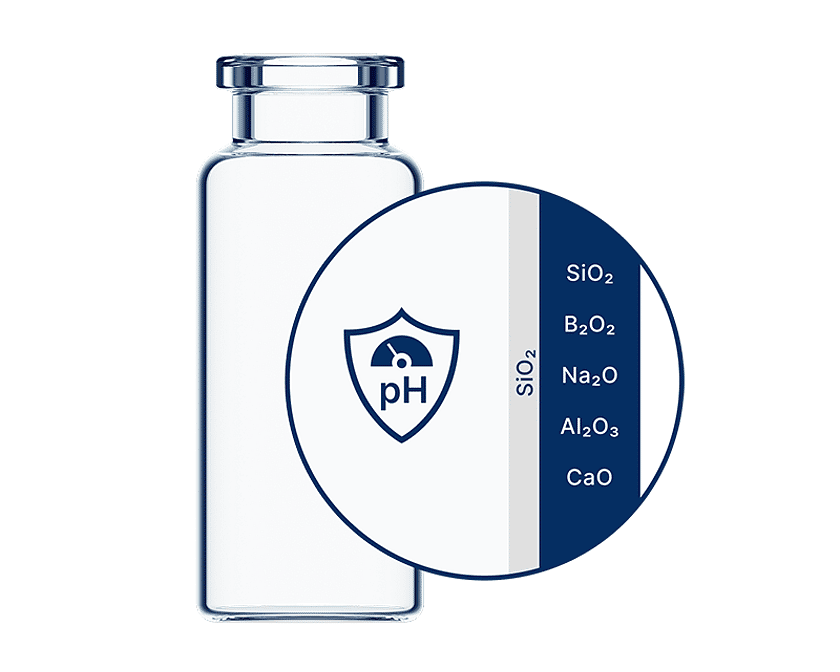
While Type I borosilicate glass remains the industry standard due to its excellent chemical resistance and low extractables profile, some formulations may require additional protection. Products with challenging pH levels, complexing agents or particularly sensitive active ingredients can interact with standard glass surfaces over time.
For these applications, there are specialist solutions such as SCHOTT EVERIC® plus vials which feature an internal inert silicon dioxide coating designed to minimise glass leachables and improve stability for sensitive formulations.
Key question:
Has compatibility testing been performed between the drug product and the primary container?
View Product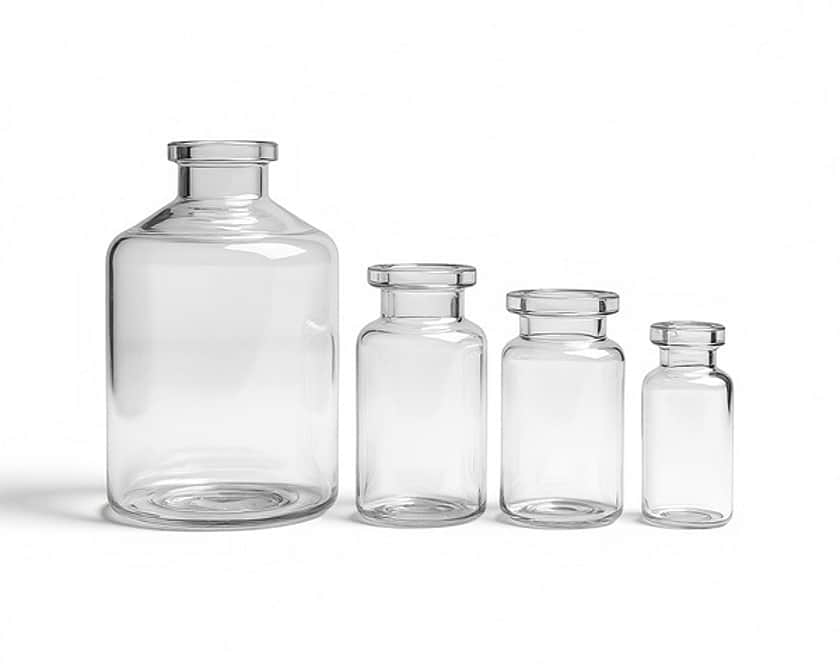
2. Vial Size and Fill Volume
Selecting a vial is not simply a case of matching capacity to fill volume.
Factors such as headspace requirements, lyophilisation processes, filling line capabilities and future scale-up plans should all be considered. Choosing an oversized vial can increase costs and shipping volumes, while an undersized vial may create manufacturing challenges.
Standard ISO vial formats are available in a wide range of sizes, allowing developers to select a solution that supports both current and future production requirements.
Key question:
Will the chosen vial remain suitable as production volumes increase?
View Range
3. Drug Stability Requirements
Maintaining product stability throughout its shelf life is essential.
Some formulations are highly sensitive to environmental factors such as light exposure, moisture or interactions with container materials. For example, photosensitive drugs may benefit from amber glass vials, while highly sensitive biologics may require enhanced barrier technologies.
As biologics continue to account for a growing proportion of drugs in development, packaging choices are playing an increasingly important role in protecting product efficacy throughout storage and distribution.
Key question:
What environmental factors could affect product quality during storage and transportation?
Find more resources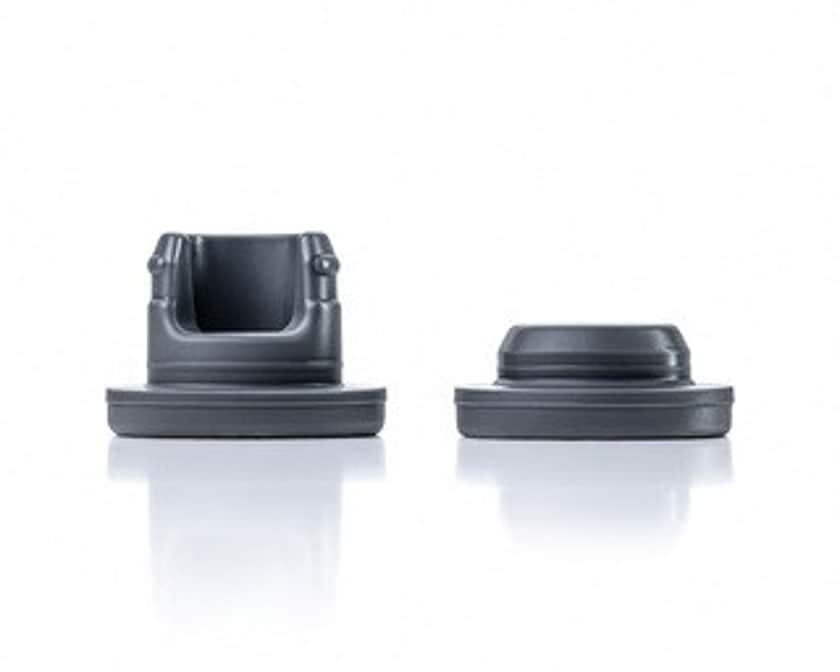
4. Closure System Compatibility
A vial should never be considered in isolation.
The stopper, seal and vial must function together as a complete container closure system. Selecting compatible components early can help maintain container closure integrity and reduce the risk of delays during validation.
Adelphi supplies complete packaging systems, including Type I glass vials, rubber stoppers and aluminium seals, helping customers simplify sourcing and ensure component compatibility from the outset.
Key question:
Have all packaging components been evaluated as a complete system?
View Closures
5. Supply Chain Security
Packaging availability has become a strategic consideration for many pharmaceutical companies.
Supply disruptions can delay clinical trials, impact manufacturing schedules and increase costs. Working with suppliers that maintain local inventory, offer flexible ordering quantities and provide technical support can help mitigate these risks.
Adelphi supports customers globally through stockholding, offering scalable solutions from early-stage development through to commercial manufacture.
Key question:
Can your packaging supplier support your project as it progresses from development to commercialisation?
Get in TouchMaking the Right Choice
The vial may seem like a simple packaging component, but its impact on product stability, regulatory compliance and manufacturing efficiency should not be underestimated.
By considering compatibility, fill volume, stability requirements, closure systems and supply chain resilience early in development, organisations can reduce risk and avoid costly changes later in the product lifecycle.
Whether you require standard Type I borosilicate vials, ready-to-use sterile formats or specialist solutions for sensitive formulations, selecting the right vial from the outset can help support a smoother path to market.
Get in touch with our experts to discuss your project requirements and objectives, and discover the right solutions to meet your needs.